OVERVIEW
Mechanical Engineering Department is one of Departments through which IPRC HUYE offers Technical and Vocational Education and Training.
Total Students
200
Female
90
Male
110
Civil Engineering
Program Background
This program specification has been created in December 2012, immediately after establishment of IPRC-South as a Higher Learning Institution to align with RWANDA QUALIFICATION FRAMEWORK. The core factor in preparing this program was the need to produce technical engineers with practical skills and a mastery of the fundamental theoretical knowledge underlying those practical skills.
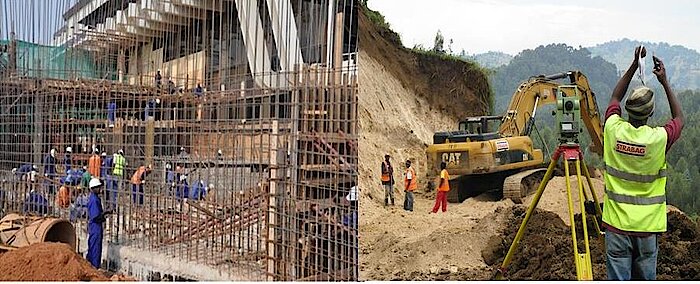
It started with the option of “CONSTRUCTION TECHNOLOGY”, where an Advanced Diploma in Civil Engineering is awarded to graduate students after three years of studies.
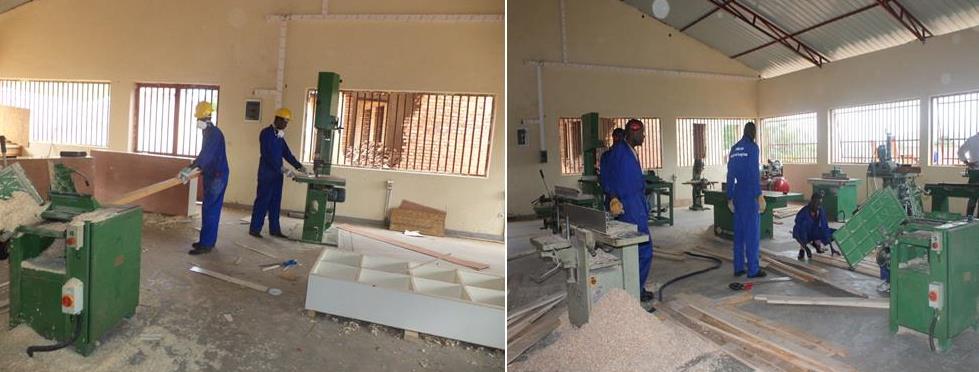
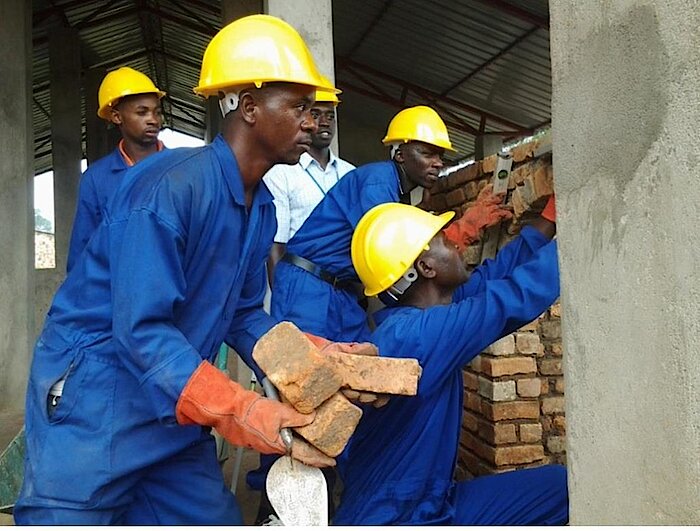
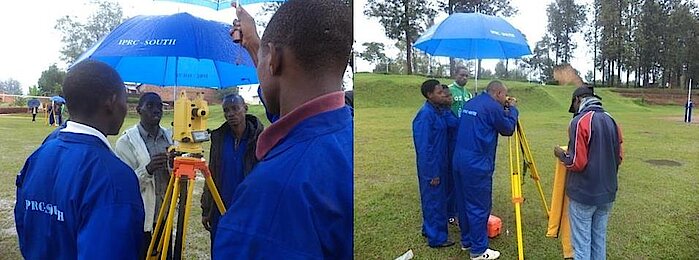
Civil Engineering Department also contribute to train practical skilled technicians for construction industry through the Vocational Training Center where students are awarded with certificate after one year of practical training in four different TRADES such as MASONRY, CARPENTRY, PLUMBING and WELDING.
Objectives of the Department
-To ensure timely responsiveness to the needs of the students under this department.
-To create environmentally friendly atmosphere for learning by maintaining cautious Staff-Lecturers and support staff.
-To facilitate and support the learning, teaching, research, consultancy & community development programs at IPRC-SOUTH, by organizing, maintaining and providing high quality; with access to appropriate literature and information resources.
-To offer excellent services as far as civil engineering is concerned.
-To provide an appropriate and comfortable environment, accommodation and facilities for the proper use of Library resources.
-Exhibit strong communication, interpersonal, and resource-management skills as leaders in the civil engineering profession
-An ability to design and conduct experiments, as well as to analyze and interpret data
– To design a system, component, or process to meet desired needs within realistic constraints, such as economic, environmental, social, political, ethical, health and safety, manufacturability, and sustainability.
-To identify and solve engineering problems
-To widen education necessary to understand the impact of engineering solutions in a global, economic, environmental, and societal contexts.
-To use the techniques, skills, and modern engineering tools necessary for engineering practice
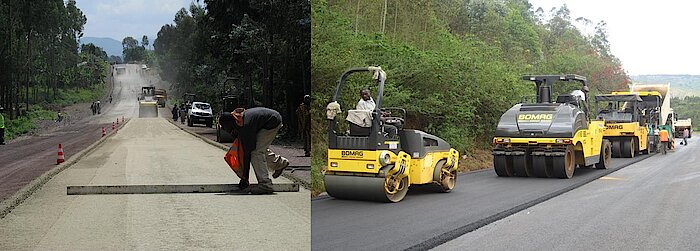
-To analyze and design civil infrastructure systems.
-Successfully enter the civil and environmental engineering profession as practicing engineers and consultants with prominent companies and organizations in diverse areas that include structural, transportation, geotechnical, materials, environmental, and hydrologic engineering; construction management; or other related emerging fields.
-Advance to leadership positions in the profession.
– Engage in continued learning through professional development.